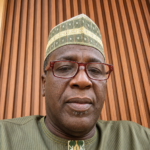

By Ibrahim Sani Shawai
Opinion | October 22, 2026
Political ambition attracts attention, but the way an individual handles pressure, honours commitments and treats people offers a deeper insight into his character.
Observing the political journey of Dr Jamil Isyaku Gwamna, popularly known as Sardaunan Gombe, I have drawn lessons that extend beyond electoral competition. His approach offers useful reflections on patience, discipline, humility and the relationships that sustain public trust.
These qualities matter because leadership brings responsibility for people whose needs, beliefs and expectations differ. Managing those differences requires more than the desire to hold office.
Patience under pressure
One quality I associate with Gwamna is his ability to remain measured under pressure. Political life presents provocation, uncertainty and competing demands, yet an immediate response is not always the most useful one.
Listening carefully and allowing time for reflection can produce better decisions than reacting in anger. Emotional maturity helps a leader distinguish between a matter requiring urgent action and a disagreement best handled through patient engagement.
The lesson extends to everyday life. Controlling one’s response creates room for judgement and prevents a temporary dispute from damaging a valuable relationship.
Relationships built on dignity
Gwamna’s engagement with people across generations, faiths and social backgrounds illustrates another principle: people want to feel heard and respected.
A leader who listens to younger people, welcomes elders and engages communities beyond his immediate circle builds relationships that can withstand disagreement.
His public emphasis on youth development and mentorship in Gombe provides a practical setting for this approach. Mentorship requires attention to people’s aspirations and a willingness to help them develop their abilities.
Good human relations depend on consistency. A warm reception matters, but continued accessibility and interest give that reception lasting meaning.
Focus, hard work and follow-through
Every serious ambition encounters setbacks, delays and distractions. What matters is the ability to retain a clear purpose while responding thoughtfully to changing circumstances.
In Gwamna’s journey, I see the value of sustained effort: attending consultations, listening to concerns, planning and following through on responsibilities.
Political engagement can be demanding. The public often sees speeches and gatherings, while the work of maintaining relationships and resolving differences continues beyond those events.
Developments such as the endorsement of Gwamna by members of the late Governor Hashidu’s political family show the importance of engagement with established community and political networks.
Other movements, including a former Pantami adviser’s decision to support Gwamna, form part of the changing relationships around his political ambition. Sustaining those relationships requires continued work and mutual respect.
Promises carry responsibility
A leader’s word influences how people judge his dependability. Commitments should therefore be made carefully and supported by action.
One lesson I draw from Gwamna’s approach is the importance of treating promises as obligations. People place confidence in leaders when their experience shows that words are followed by effort.
This principle applies equally to public institutions, businesses and personal relationships. Trust becomes stronger when people know what to expect and can rely on commitments being taken seriously.
Action also gives substance to political communication. A promise gains credibility through the work undertaken to fulfil it.
Humility makes room for others
Approachability is an important leadership quality. Achievements should create opportunities to serve and learn, while leaving room for others to contribute ideas.
In my observation, Gwamna’s humility helps people engage with him. It encourages conversations in which participants can express their concerns and feel that their views matter.
The same principle of participation featured in the women’s unity summit convened by Zainab Gwamna, where discussions centred on mentorship, empowerment and cooperation.
Respect for elders, traditional institutions and community values also matters. In a diverse society, leadership requires the ability to acknowledge differences without diminishing anyone’s dignity.
Discipline sustains influence
Charisma can encourage people to listen. Discipline determines how consistently a leader uses that attention to pursue useful objectives.
Self-control, time management and careful judgement help prevent competing demands from overwhelming a clear sense of direction. These habits turn intentions into reliable conduct.
They are also essential when political structures change. The resignation of Gombe PDP youth leader Jamilu Ali Kalshingi and his anticipated alignment with Gwamna illustrates the evolving political environment in which leaders must maintain focus and manage expectations.
My central lesson from Sardauna’s journey is that trust develops through repeated encounters. People remember whether they were heard, whether commitments were honoured and whether they were treated fairly when circumstances changed.
Political offices change hands and alliances evolve. The conduct demonstrated along the way remains part of a person’s record.
For me, Gwamna’s journey reinforces the importance of preparing one’s character for responsibility. Patience, humility, discipline and respect are qualities to practise throughout that journey, because they shape both the experience of leadership and the memory it leaves behind.
Ibrahim Sani Shawai writes from Gombe. He can be reached at shawai2000@yahoo.com.
Get breaking news and latest updates directly on WhatsApp