By Abdullahi Tukur
History often remembers the spectacular moments of diplomacy—the treaties signed under grand ceremonies, the handshakes between presidents and the declarations that reshape nations. Yet, some of the most meaningful diplomatic relationships are built through quieter engagements between neighbours, communities and leaders who understand the importance of cooperation.
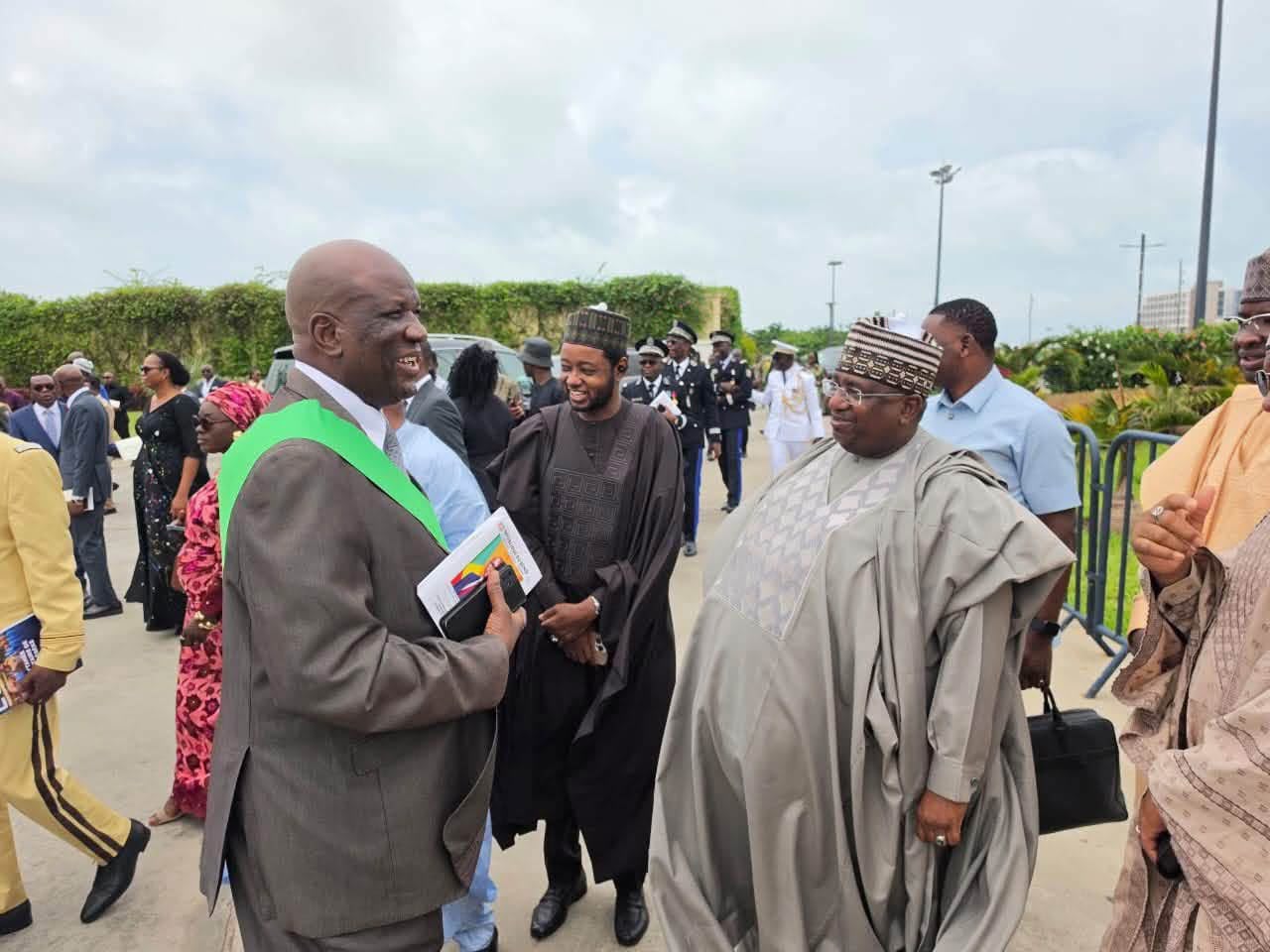
It is against this backdrop that Governor Nasir Idris’ participation in the 66th Independence Anniversary of the Republic of Benin should be viewed. The visit was more than a ceremonial engagement. It underscored the strategic importance of neighbourhood diplomacy and the role of cross-border cooperation in promoting peace, commerce and development across West Africa.
Kebbi and Benin Share Historical and Cultural Ties
For Kebbi State, the Republic of Benin represents more than a neighbouring country. The two areas share historical connections, commercial interests and cultural ties that predate the modern boundaries separating Nigeria from its neighbours.
For generations, communities across the region have maintained relationships through trade, cultural exchanges and social interactions. The political boundaries created during the colonial era did not completely erase the connections that had existed among communities for centuries.
Governor Idris’ presence at the independence anniversary therefore carried significance beyond diplomatic protocol. It reinforced the importance of maintaining friendly relations between neighbouring communities and governments.
Why Neighbourhood Diplomacy Matters
Border regions often benefit significantly from cooperation between neighbouring countries. Peaceful borders can encourage legitimate trade, promote investment and create opportunities for communities on both sides.
Mutual trust can also strengthen security cooperation and help governments address challenges that do not stop at national boundaries. For states such as Kebbi, which share proximity and commercial links with neighbouring countries, diplomatic engagement can therefore contribute to wider economic and social development.
The relationship also reflects a broader understanding that development is rarely achieved in isolation. Cooperation among neighbouring regions can create an environment where commerce, cultural exchange and peaceful coexistence thrive.
Role of Subnational Diplomacy in Regional Development
Subnational diplomacy has become increasingly important in many parts of the world as governors and other regional leaders seek to attract investment, strengthen economic partnerships and promote cooperation beyond their immediate jurisdictions.
For border states, the responsibility is particularly significant. Geography places such states at the centre of cross-border economic and social activities, making their leaders important actors in regional integration.
Kebbi State’s geographical position gives it a strategic role in Nigeria’s engagement with the wider West African region. Governor Idris’ participation in the Benin Republic independence celebration can therefore be viewed as part of efforts to strengthen relationships that could have implications for trade, security and development.
Strengthening the Spirit of Regional Integration
The visit also resonates with the broader aspirations of regional integration in West Africa. Organisations such as the Economic Community of West African States (ECOWAS) have long promoted free movement, trade and economic cooperation among member states.
However, the success of regional integration is not determined only by agreements reached at high-level summits. It also depends on the ability of leaders at the state and local levels to translate those principles into practical relationships that benefit ordinary citizens.
Border communities are often where the impact of regional integration is most visible. They are also where the challenges associated with cross-border movement, trade and security are experienced most directly.
For this reason, constructive engagement between leaders in border regions can help strengthen the foundations upon which broader regional cooperation is built.
Benin Independence Anniversary as a Symbol of Friendship
By joining the government and people of the Republic of Benin to commemorate the country’s 66th Independence Anniversary, Governor Idris demonstrated the importance of maintaining cordial relations between neighbouring states.
Such gestures can reinforce diplomatic goodwill and highlight the shared interests between communities and countries in the region. Stability in neighbouring countries can contribute to stability at home, while economic growth across borders can create opportunities for communities on both sides.
Security cooperation is equally important, particularly in a region where criminal activities and other security challenges can cross international boundaries.

A Message of Cooperation Amid Regional Challenges
At a time when public discourse around the world is often shaped by division and geopolitical tensions, engagements that promote friendship between neighbouring countries remain important.
Leadership is not measured only by infrastructure projects, policies and government programmes. It can also be reflected in the relationships leaders build with neighbouring governments and communities in pursuit of shared interests.
For West Africa, the future of regional development will depend partly on the ability of governments to strengthen cooperation, build trust and encourage peaceful relationships across borders.
Governor Idris’ Delegation to Benin Republic
Governor Nasir Idris was accompanied on the diplomatic visit by the Member representing Suru/Bagudo Federal Constituency, Hon. Bello A. Kaoje; APC chieftain, Alhaji Ibrahim Bagudu; the Commissioner for Agriculture, Alhaji Shehu Mu’azu; renowned business tycoon, Alhaji Abubakar Shehu Naingila; Faruku Abubakar Bube; and other senior government officials.
The presence of the delegation further highlighted the importance attached to the engagement and the potential for strengthening relationships that could support economic, cultural and regional cooperation.
Why the Visit Matters for Kebbi and West Africa
Governor Nasir Idris’ participation in the Republic of Benin’s Independence Anniversary was therefore more than a ceremonial appearance. It represented a recognition of the strategic value of maintaining positive relationships between neighbours.
For Kebbi State, stronger ties with neighbouring countries could contribute to improved cross-border commerce, enhanced security cooperation and greater opportunities for economic development.
More broadly, the engagement reinforces the principle that regional prosperity is strengthened when neighbouring governments work together rather than in isolation.
In an increasingly interconnected West Africa, diplomacy must extend beyond national capitals. It must also be nurtured by state and regional leaders who understand that geography makes cooperation not merely desirable but necessary.
Governor Idris’ visit to the Republic of Benin therefore offers an example of how neighbourhood diplomacy can serve as an instrument of development, peaceful coexistence and regional solidarity.
As West Africa continues to confront economic and security challenges, the cultivation of trust between neighbouring communities and governments will remain essential. Sustainable prosperity, after all, is rarely built through isolation. It is more often achieved through partnerships between neighbours who recognise that their futures are closely connected.
Ibrahim Abubakar Jombali
Special Adviser on Public Enlightenment and Orientation to the Executive Governor of Kebbi State.
The Bureau Journal is committed to publishing original, credible and informative reports and opinion articles that provide readers with context on important developments across Nigeria and beyond.
Get breaking news and latest updates directly on WhatsApp