
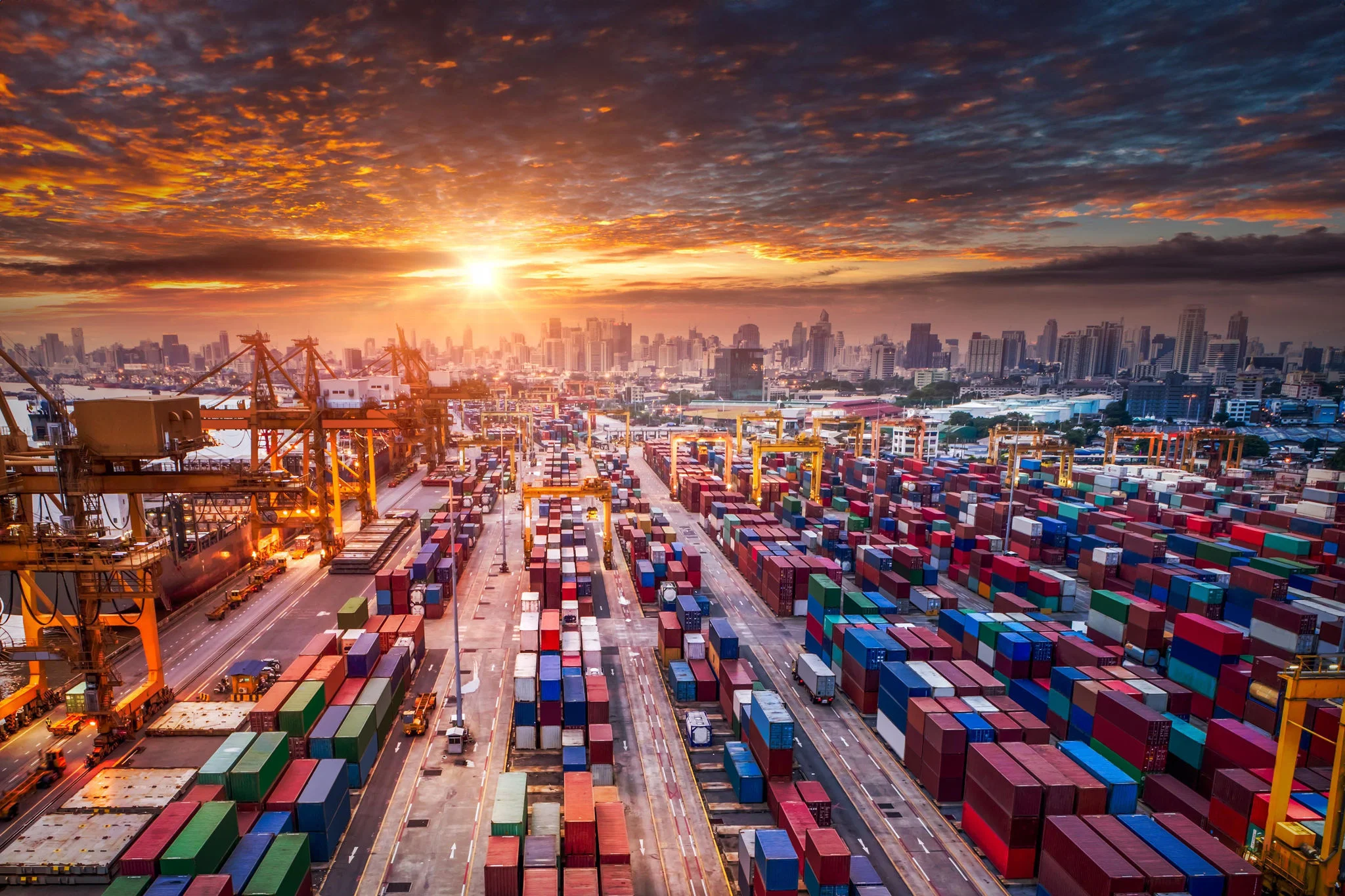
For readers following Nigeria Business News, the latest UNCTAD figures offer an important picture of how international trade is evolving and what the changes could mean for Nigeria’s economy.
Global goods trade reached about $13.7 trillion in the first half of 2026, representing a 12.5 per cent increase compared with the same period in 2025, according to the United Nations Conference on Trade and Development (UNCTAD).
The strong performance reflects higher trade values and growing demand for products linked to artificial intelligence, electric vehicles, semiconductors, batteries and critical minerals.
Global Trade Growth Creates Opportunities for Nigeria
The expansion of global trade presents both opportunities and challenges for Nigeria, particularly as the country continues efforts to diversify its economy beyond crude oil.
Nigeria has historically occupied an important position in international commodity and financial markets. The Bureau Journal’s account of how Nigeria lent $240 million to the World Bank in 1974 provides a striking reminder of the country’s much stronger financial position during the oil boom era.
Today, however, Nigeria is seeking to attract investment, expand non-oil exports and strengthen domestic production as it works to improve its economic position.
Technology Products Drive International Commerce
UNCTAD identified technology and energy-transition products among the major drivers of recent trade growth. Critical minerals recorded 38 per cent growth in the first quarter, while semiconductors increased by 25 per cent.
Battery trade grew by 15 per cent, ICT goods by 14 per cent and electric cars by 11 per cent.
The trend highlights the growing economic importance of digital skills and technology. The Bureau Journal’s guide to high-income digital skills in 2026 examines some of the opportunities emerging from this rapidly changing digital economy.
Africa Records Strong Trade Activity
UNCTAD said import growth was particularly strong in Africa, East Asia and Europe over the past 12 months, with those regions also recording robust growth in intra-regional trade.
For Nigeria, stronger African trade could create opportunities through the African Continental Free Trade Area, particularly if local manufacturers and exporters are able to increase production and meet international standards.
The country’s economic performance will remain an important issue for businesses and households. The Bureau Journal’s personal finance guide for Nigerians examines how inflation and changing economic conditions are affecting household purchasing power and financial decisions.
Why Manufacturing and Value Addition Matter
One of the clearest lessons from the current global trade pattern is the importance of value addition.
Countries that export finished and semi-finished products can capture substantially more economic value than those that rely mainly on the export of raw commodities.
For Nigeria, this means expanding manufacturing, agro-processing, mineral processing and technology-related industries could become increasingly important to long-term economic growth.
For entrepreneurs and investors, the changing trade environment also creates opportunities across manufacturing, logistics, agriculture, technology and export-oriented businesses. The Bureau Journal’s business planning guide provides practical guidance for entrepreneurs developing businesses in Nigeria.
Global Investment Remains Important
The expansion in global trade is occurring alongside changes in international investment flows.
UNCTAD reported that global foreign direct investment increased by 6 per cent to $1.6 trillion in 2025, although investment remained unevenly distributed across regions and sectors.
For Nigeria, attracting productive foreign investment will depend not only on the size of the domestic market but also on infrastructure, electricity supply, policy stability, access to finance and the country’s ability to integrate into global supply chains.
These issues are particularly important for Nigerian businesses seeking to expand. The Bureau Journal continues to track developments in Nigeria’s business environment, investment, technology and economic policy.
What the Latest Figures Mean for Nigeria
The latest UNCTAD figures show that global trade is increasingly being shaped by technology, energy transition and regional supply chains.
Nigeria has the natural resources, consumer market and human capital to benefit from these changes, but doing so will require greater investment in productive capacity and stronger integration into international markets.
The opportunity is particularly significant in agriculture, critical minerals, manufacturing, technology, logistics and renewable energy.
For businesses and investors following Nigeria Business News, these developments provide an important indication of where global demand is heading and where new opportunities could emerge.
Get breaking news and latest updates directly on WhatsApp