
By Ibrahim Sani Shawai
As the 2027 governorship election in Gombe State approaches, the growing political conversation on social media is drawing attention to an important reality: electoral victories are ultimately determined by voters at polling units, not by online popularity.
Facebook posts, X trends, Instagram engagements and TikTok videos can influence political conversations, but they cannot cast ballots. The person who eventually becomes Governor of Gombe State will be chosen by voters across the state’s local government areas.
Social Media Popularity Is Not the Same as Electoral Support
Social media has transformed political communication in Nigeria. Politicians can reach thousands of people within minutes, while supporters can amplify campaign messages far beyond their immediate communities.
However, online visibility does not automatically translate into votes.
Likes are not ballots. Followers are not polling units. Online engagements cannot replace grassroots organisation, voter mobilisation and the confidence of people who will actually participate in the election.
This distinction is becoming increasingly relevant as political activities surrounding the 2027 Gombe governorship election gather momentum.
The Bureau Journal’s 2027 elections guide has similarly highlighted the importance of voter participation and informed decision-making as Nigerians prepare for the next general elections.
Why Gombe’s Grassroots Will Matter
For anyone seeking to govern Gombe State, political engagement with communities across the state remains critical.
Politics is ultimately about people, and a governorship candidate must understand the concerns of communities, build relationships with voters and present a programme capable of addressing their expectations.
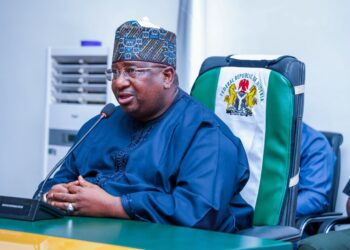
This is the argument being advanced by supporters of Dr. Jamil Isyaku Gwamna, the Sardaunan Gombe, as his political activities ahead of 2027 continue to attract attention.
Supporters say Gwamna’s political engagement with communities in Gombe predates the current electoral season and that his relationships across the state have developed over many years.
They point to his experience in the corporate sector, public service, political activities and philanthropic engagements as factors that have contributed to his political profile.
Those claims, however, will ultimately be tested by the electorate, whose votes will determine the outcome of the election.
The Question Is Becoming About His Agenda
As the 2027 political conversation develops, the focus should increasingly move beyond personalities and political visibility to the issues that directly affect residents of Gombe State.
The important questions include:
- What is the plan for creating jobs and expanding economic opportunities?
- How will agriculture be developed to improve the livelihoods of farmers?
- What strategies will strengthen education and healthcare?
- How will Gombe attract private investment?
- What role will technology play in creating opportunities for young people?
- How can government services become more efficient and accessible?
- How can existing development projects be sustained while new areas of growth are opened?
These are the issues that can provide voters with a stronger basis for assessing candidates ahead of the election.
Grassroots Acceptance Will Be Critical
Political support expressed outside Gombe State cannot substitute for acceptance within the state.
Support from Abuja, Kano, Kaduna or any other part of Nigeria cannot translate directly into votes at polling units in Gombe.
The decisive conversations will take place among voters in Akko, Balanga, Billiri, Dukku, Funakaye, Gombe, Kaltungo, Kwami, Nafada, Shongom and Yamaltu/Deba, as well as other communities across the state.
The APC’s wider preparations for the 2027 elections also show how early political positioning has begun across Nigeria. The Bureau Journal’s report on APC senatorial candidates for 2027 provides an indication of the scale of political activity already taking place ahead of the elections.
Social Media Still Has a Role
The argument that elections are won at polling units does not mean social media has become irrelevant to modern politics.
Digital platforms have become important tools for communicating policies, reaching young voters, responding to misinformation and explaining political programmes.
For political candidates, social media can therefore complement grassroots mobilisation. It cannot, however, replace direct engagement with voters or the organisational structures required to get supporters to the polls.
This is particularly important in a political environment where online debates can sometimes create the impression that a candidate enjoys broader support than may actually exist on the ground.
What Gwamna’s Campaign Must Demonstrate
For Dr. Jamil Isyaku Gwamna, the central challenge ahead will be to translate political relationships and public engagements into a clear and credible programme for Gombe State.
Supporters of the Sardaunan Gombe argue that his long-standing relationship with communities gives him an advantage as the 2027 contest approaches.
But beyond personal relationships, voters will want to know what his administration would do differently, how it would finance its programmes and how proposed policies would improve everyday life across the state.
The same standard should apply to every candidate seeking the governorship.
2027 Will Ultimately Be Decided by Gombe Voters
The 2027 governorship election will provide residents of Gombe State with the opportunity to assess the candidates, their records, policies, political experience and promises before deciding who deserves their votes.
Online popularity may shape the conversation, but the final decision will be made at polling units.
For that reason, candidates and political organisations seeking victory in Gombe will need to combine effective communication with genuine grassroots engagement, credible policy proposals and sustained voter mobilisation.
As the political season intensifies, the most important question should therefore not be who is trending online, but who can earn the confidence of Gombe voters when they finally stand before the ballot box.
Editor’s Note: This article reflects the political views and arguments presented by the author’s campaign perspective. Claims regarding political support, grassroots acceptance and past engagements should be assessed by readers alongside information from other candidates and independent sources.
For more coverage of Gombe politics, the 2027 elections and Nigerian political developments, follow The Bureau Journal.
Get breaking news and latest updates directly on WhatsApp