By Ibrahim Abubakar Jombali
In every democratic society, public trust remains one of the most valuable assets any government can possess. Roads, schools, hospitals and other physical projects are visible symbols of development, but they achieve their greatest significance only when citizens believe that those entrusted with leadership are acting in their best interests. Across Nigeria, where public confidence in political institutions has often been tested, restoring trust has become as important as delivering infrastructure.
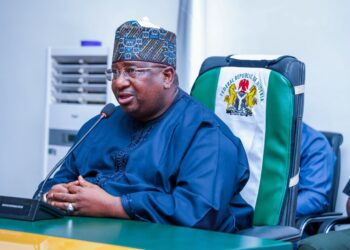
For many observers, this is one of the defining features of the administration of Kebbi State Governor, Comrade Dr. Nasir Idris. Beyond executing projects, the administration is increasingly being associated with efforts to strengthen the relationship between government and the people through accessibility, responsiveness and inclusive governance.
This perspective was recently articulated by veteran journalist, broadcaster and public affairs commentator, Alhaji Abdullahi Umar Yelwa, whose assessment of Governor Idris’ first three years in office focused less on physical infrastructure and more on what he described as the gradual rebuilding of public confidence in leadership.
A Perspective Rooted in Experience
Yelwa’s observations carry particular significance because they come from an individual whose career has spanned journalism, public communication and public administration. As Chairman of the Arewa Broadcast Media Practitioners Forum—a coalition of more than 100 radio and television station proprietors across Nigeria—former Commissioner for Information in Kebbi State and proprietor of Bayawura FM, Yauri, he has observed governance from multiple perspectives.
His conclusion was straightforward: Governor Nasir Idris has made government more accessible, responsive and people-oriented through a style of leadership that encourages engagement with citizens rather than distance from them.
Public trust, unlike infrastructure, cannot be commissioned or completed within a fixed timeline. It develops gradually through consistent actions that convince citizens that government decisions are guided by fairness, sincerity and accountability. According to Yelwa, these qualities have become increasingly visible in Kebbi State.
Leadership That Prioritises Accessibility
One characteristic frequently associated with Governor Idris is his continued engagement with communities and stakeholders across the state. Unlike administrations that become increasingly insulated after assuming office, his leadership style has been widely described as one that values consultation and direct interaction with the people.
Maintaining regular contact with citizens allows governments to understand emerging challenges, evaluate the effectiveness of policies and strengthen public confidence in decision-making. It also creates the impression of a leadership that listens before acting.
Yelwa argues that this approach has contributed significantly to the administration’s broad acceptance across different parts of Kebbi State.
The Importance of Character in Public Leadership
While governance is often assessed through statistics and completed projects, personal attributes remain equally important in shaping public perception. According to Yelwa, Governor Idris has demonstrated qualities of compassion, honesty and a willingness to accept responsibility whenever circumstances require.
These characteristics may not always generate headlines, but they often determine how citizens judge the credibility of those occupying public office. Trust grows when people believe their leaders communicate honestly, acknowledge challenges and remain committed to finding practical solutions.
In many democratic societies, credibility is built less through political rhetoric and more through consistency between promises and actions. This consistency, observers argue, is gradually strengthening confidence in the Kebbi State Government.
Inclusive Governance as a Foundation for Unity
Kebbi State, like many states across Nigeria, comprises diverse communities with varying political, cultural and regional interests. Managing these differences requires leadership capable of balancing competing expectations while ensuring that no community feels excluded from governance.
Yelwa believes Governor Idris has approached this responsibility with a commitment to inclusion by engaging stakeholders across political affiliations, traditional institutions and geographical zones.
Such an approach reinforces the principle that development should be driven by equity rather than political considerations, enabling citizens across the state to see themselves as equal partners in governance.
Balanced Development Across Kebbi State
One of the recurring themes in discussions about Governor Nasir Idris’ administration is the emphasis on equitable distribution of development projects. Across many Nigerian states, regional balance has long been used as a benchmark for assessing the fairness of successive governments.
According to Yelwa, the administration has sought to ensure that development extends beyond the traditional centres of political influence. He pointed to interventions in Yauri Emirate and other parts of Kebbi South as evidence of a deliberate effort to spread infrastructure and social investments across the state.
This approach, he argues, strengthens the sense of belonging among citizens by reinforcing the idea that every community deserves equal attention regardless of political or geographical considerations.
When development is perceived as inclusive, public confidence in government naturally grows because citizens see tangible evidence that governance is intended to benefit the entire population rather than a select few.
Prioritising Peace and Security
No meaningful development can be sustained without security. Investors require stability before committing resources, farmers need safe access to their farmlands, businesses thrive in peaceful environments, and children can only learn effectively when schools operate without fear.
Recognising this reality, Governor Idris has consistently identified security as one of the administration’s foremost priorities.
Yelwa highlighted the governor’s support for the Kebbi Development Elders Forum Security Summit as an example of proactive leadership. The summit, which attracted the Sultan of Sokoto alongside respected security experts and other stakeholders, provided an opportunity to examine security challenges and identify practical solutions through collaboration.
By supporting dialogue among traditional institutions, security agencies, policymakers and community leaders, the administration demonstrated an understanding that security challenges require collective responsibility rather than isolated government action.
Observers believe such engagements complement ongoing operational efforts by security agencies while strengthening community participation in maintaining peace across the state.
Education as a Long-Term Investment
Governor Nasir Idris’ background as a professional teacher continues to influence his administration’s approach to education. Before entering partisan politics, he spent decades advocating for teachers and educational development, an experience that many believe has shaped his priorities in government.
Under the current administration, investments have continued in teacher welfare, learning infrastructure, school improvement initiatives and programmes designed to strengthen educational outcomes across Kebbi State.
Education remains one of the most effective instruments for sustainable development because it equips future generations with the knowledge and skills required to drive economic growth and social progress.
For this reason, many analysts consider continued investment in schools and teachers essential to the state’s long-term development agenda.
Healthcare and Infrastructure Development
Healthcare delivery has also featured prominently in the administration’s development agenda. Projects such as the renovation of the General Hospital in Yauri and similar interventions in other parts of the state are intended to improve access to quality healthcare services for residents.
Beyond healthcare facilities, road construction and other infrastructure projects have continued across Kebbi State despite prevailing economic challenges.
Improved road networks facilitate the movement of people, agricultural produce and commercial goods, reduce travel time and encourage economic activities within rural and urban communities alike.
Together, these investments contribute not only to physical development but also to improving the quality of life of ordinary citizens.
Supporting Agriculture and Rural Livelihoods
Agriculture remains the backbone of Kebbi State’s economy, providing livelihoods for a significant proportion of the population. Consequently, government support for the sector continues to play an important role in enhancing food production and improving rural incomes.
Yelwa acknowledged the administration’s continued distribution of fertilisers, improved agricultural inputs and other interventions aimed at supporting farmers during each farming season.
These initiatives go beyond seasonal assistance. They represent strategic investments in food security, poverty reduction and economic resilience at a time when many Nigerian households continue to experience the effects of rising living costs.
By helping farmers improve productivity, the government also contributes to broader national efforts to strengthen agricultural output and stabilise food supply.
Why Public Trust Matters
While roads, hospitals, schools and other infrastructure remain visible indicators of governance, their true value is measured by the confidence citizens place in the institutions responsible for delivering them. Public trust encourages civic participation, strengthens cooperation between government and communities, and creates an environment where development initiatives receive broader public support.
Yelwa believes this growing confidence is gradually becoming one of the defining characteristics of Governor Nasir Idris’ administration. According to him, governance becomes more effective when citizens perceive fairness, transparency and genuine concern for their welfare.
Although every administration inevitably faces criticism and areas requiring improvement, the willingness to engage with citizens, respond to emerging challenges and sustain development programmes contributes significantly to strengthening democratic governance.
The Need for Continuity
Yelwa also emphasised that the long-term value of any administration lies not only in initiating programmes but in sustaining them. Policies become meaningful when they survive beyond political cycles and evolve into strong institutions capable of delivering lasting benefits to future generations.
Maintaining investments in education, healthcare, agriculture, infrastructure and security will therefore remain essential if the progress recorded over the past three years is to translate into enduring socio-economic transformation.
Equally important is the continued promotion of inclusive governance, where every community feels represented and every citizen enjoys equal opportunities to benefit from government programmes regardless of political or geographical considerations.
An Emerging Governance Model
The assessment offered by Alhaji Abdullahi Umar Yelwa presents Governor Nasir Idris’ administration as one increasingly defined by accessibility, inclusiveness and people-centred leadership.
Supporters argue that these qualities, combined with ongoing investments in strategic sectors, are gradually reshaping public perception of governance in Kebbi State. They believe the administration has demonstrated that effective leadership is measured not only by completed projects but also by the confidence it inspires among the people.
As the administration continues its development agenda, expectations will naturally grow. Citizens will continue to demand improved healthcare, quality education, enhanced security, greater economic opportunities and expanded infrastructure. Meeting these expectations consistently will determine how history ultimately judges the administration.
Conclusion
In democratic governance, trust remains one of the strongest foundations upon which lasting development is built. Governments earn that trust through consistency, accountability, fairness and visible commitment to improving the lives of citizens.
For many observers, Governor Nasir Idris has taken meaningful steps towards rebuilding that confidence in Kebbi State by promoting inclusive governance, investing in critical sectors and maintaining close engagement with communities.
Whether this emerging narrative becomes a lasting legacy will depend on the administration’s ability to sustain reforms, strengthen institutions and continue placing the welfare of the people at the centre of governance. If that trajectory is maintained, Kebbi State may increasingly be recognised not only for its physical transformation but also for restoring public confidence in leadership.
Get breaking news and latest updates directly on WhatsApp