
By Emmanuel Iyede
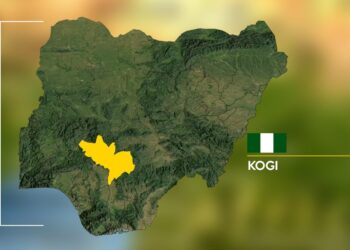
Kogi State has recorded the highest food inflation rate in Nigeria, with the cost of food rising by 53.02 percent year-on-year in June 2026, according to the latest Consumer Price Index (CPI) report released by the National Bureau of Statistics (NBS).
The latest figures highlight the growing cost-of-living crisis in parts of the country despite signs that Nigeria’s overall inflation rate is beginning to ease. Food prices in Kogi have risen far above the national food inflation average of 17.52 percent, placing significant financial pressure on households struggling to afford basic staples.
Niger, Benue Follow Behind
According to the NBS data, Niger State recorded the second-highest annual food inflation rate at 43.83 percent, while Benue State followed with 40.83 percent.
On the other end of the spectrum, Imo recorded the lowest year-on-year food inflation at 19.47 percent, followed by Ebonyi at 20.79 percent and Katsina at 21.87 percent.
Food Prices Continue to Rise Across Nigeria
Although Nigeria’s headline inflation rate declined to 15.91 percent in June 2026, food inflation continued its upward trend.
The NBS reported that the national food inflation rate increased from 16.96 percent in May to 17.52 percent in June, indicating that food prices are still climbing even as broader inflationary pressures show signs of moderation.
On a month-on-month basis, food inflation accelerated to 3.75 percent, up from 2.98 percent recorded in May.
Why Food Prices Are Rising
The National Bureau of Statistics attributed the increase to higher prices of several staple food items consumed by millions of Nigerians.
Items that recorded notable price increases include:
- Fresh pepper
- Tomatoes
- Crayfish
- Dried green peas
- Yam flour
- Water yam
- Beef
- Bananas
- Cassava flour
- Cowpeas (beans)
- Garri
- Irish potatoes
- Yam tubers
The continued increase in the prices of these essential food items has significantly affected household budgets, especially among low- and middle-income families.
Monthly Food Inflation Shows Mixed Trends
While Kogi recorded the highest annual food inflation, Niger State experienced the sharpest month-on-month increase at 11.65 percent.
Katsina followed with 8.13 percent, while Kwara posted 7.52 percent.
Conversely, Bayelsa recorded the largest monthly decline in food inflation at -6.48 percent, followed by Benue at -5.58 percent and Cross River at -5.12 percent.
Households Continue to Feel the Pressure
The latest inflation data underscore the uneven impact of rising food prices across Nigeria. While overall inflation appears to be easing, many households—particularly in states with exceptionally high food inflation—continue to grapple with the rising cost of living.
Higher food prices reduce purchasing power, forcing many families to spend a larger share of their income on basic necessities while cutting back on other essential expenses.
Economic Outlook
The moderation in Nigeria’s headline inflation has raised expectations that the Central Bank of Nigeria (CBN) may maintain its benchmark interest rate at its next Monetary Policy Committee meeting.
However, economists note that persistent food inflation remains a major concern because food accounts for a significant portion of household spending across the country. Until food prices begin to stabilise, millions of Nigerians are likely to continue facing economic hardship despite improvements in the broader inflation figures.
Get breaking news and latest updates directly on WhatsApp