Plague is a serious bacterial infection that can affect the lymph nodes, bloodstream or lungs. It is treatable with appropriate antibiotics, but delayed treatment can lead to life-threatening complications.
Concern over a laboratory worker’s death in Russia has renewed interest in the disease. As of October 7, 2026, the World Health Organization was still seeking information to establish the cause of the death and assess the situation fully. A pneumonic plague outbreak had not been confirmed.
What is plague?
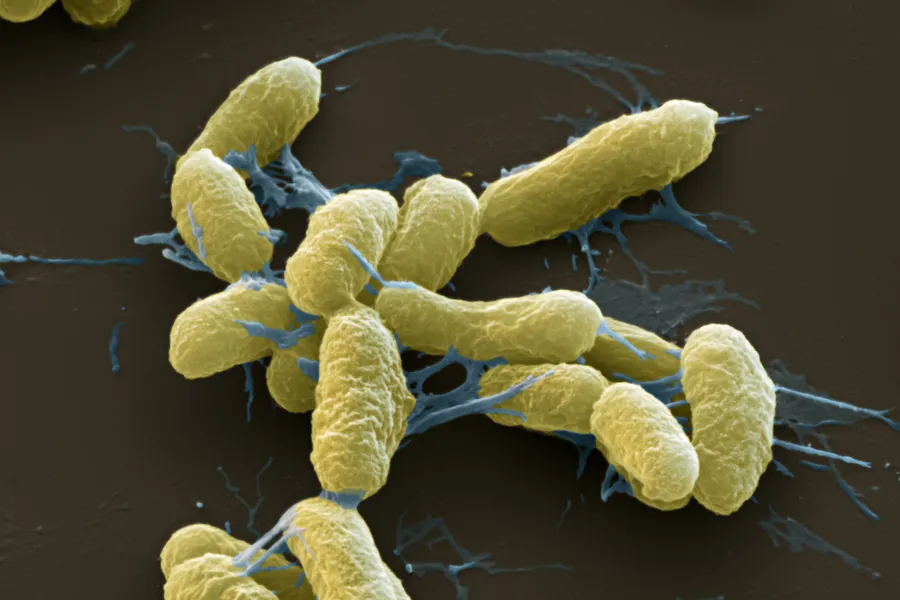
Plague is an infectious disease caused by the bacterium Yersinia pestis. The bacteria circulate naturally among certain mammals and their fleas and can occasionally infect humans.
It is a zoonotic disease, meaning infection can pass from animals to people. Plague is the disease associated with the historical Black Death, but modern diagnosis and antibiotic treatment have substantially changed how it is managed.
The three main types of plague
| Type | Main area affected | Typical features |
|---|---|---|
| Bubonic plague | Lymph nodes | Fever and painful, swollen lymph nodes, often in the groin, armpit or neck. |
| Septicaemic plague | Bloodstream | Severe weakness, abdominal pain, shock, bleeding and possible tissue damage. |
| Pneumonic plague | Lungs | Rapidly developing pneumonia, cough, chest pain and breathing difficulty. |
An untreated infection can spread within the body. For example, bubonic plague can progress to infection of the bloodstream or lungs.
How is plague contracted?
The main routes of infection are:
- Infected flea bites: Fleas carrying the bacteria can transmit them when they bite people.
- Contact with infected animals: Handling infected tissues, body fluids or carcasses without protection can expose a person.
- Inhaling infectious respiratory droplets: Close contact with a coughing person or animal with pneumonic plague can transmit infection.
Not every rodent, flea or animal carries plague. Risk depends on whether the bacteria are circulating in the location and whether an exposure occurs.
Is plague communicable?
Yes, pneumonic plague can spread from person to person. Transmission typically requires close contact with someone who is ill and coughing infectious droplets.
Bubonic and septicaemic plague do not ordinarily spread between people through respiratory contact. However, contact with infected tissues or body fluids can be hazardous, and an infection that reaches the lungs can become transmissible through coughing.
Contact with the body of a person who died from plague can also expose people to infected fluids. Suspected cases therefore require professional infection-control and safe handling procedures.
What are the symptoms?
Symptoms depend on the form of the infection. Early illness may include fever, chills, headache and weakness.
| Form of plague | Symptoms to recognise |
|---|---|
| Bubonic | Sudden fever, chills, headache, weakness and a painful swollen lymph node. |
| Septicaemic | Fever, extreme weakness, abdominal pain, shock, bleeding into the skin and tissue damage. |
| Pneumonic | Fever, cough, chest pain, shortness of breath and sometimes bloody or watery sputum. |
These symptoms can occur with other illnesses. They cannot confirm plague without medical assessment and testing.
Breathing difficulty, coughing blood or rapid deterioration requires emergency medical care. Tell healthcare personnel immediately if symptoms follow contact with a suspected case, an infected animal or travel to an area with confirmed plague activity.
How quickly do symptoms appear?
CDC guidance places the incubation period for bubonic plague at approximately two to eight days.
Pneumonic plague following inhalation can develop much faster, commonly within one to three days and sometimes in about 24 hours. Septicaemic plague has a less clearly defined incubation period.
Anyone with a significant exposure should seek advice promptly rather than waiting for symptoms.
How is plague diagnosed and treated?
Doctors assess symptoms alongside travel and exposure history. Laboratory testing may involve blood, sputum or material collected from an affected lymph node.
If plague is strongly suspected, clinicians may begin antibiotics before final laboratory results are available. Waiting for confirmation can be dangerous because the disease can progress rapidly.
Treatment involves appropriate antibiotics and, where needed, hospital support for breathing difficulties, shock or other complications. Suspected pneumonic cases require isolation and respiratory precautions.
Are there home remedies for plague?
There is no proven home remedy that cures plague or replaces antibiotic treatment.
Herbal mixtures, garlic, ginger, steam inhalation, supplements and so-called immune boosters should not be relied on to treat the infection. Delaying medical care while trying these remedies can be fatal.
Do not self-medicate with leftover or over-the-counter antibiotics. The choice of treatment requires professional assessment.
While arranging urgent care, avoid close contact with others. A person with suspected pneumonic infection should wear a medical mask if tolerated and follow instructions from healthcare personnel. Where possible, notify the receiving facility before arrival so staff can prepare appropriate precautions.
How to prevent infection
Avoid exposure to suspected pneumonic cases
Avoid close face-to-face contact and contact with respiratory secretions. Patients should receive prompt professional care rather than being managed at home without guidance.
Use masks as directed, practise hand hygiene and follow isolation instructions. Healthcare workers need appropriate protective equipment.
Reduce rodent and flea exposure
- Remove rubbish, brush piles and clutter that provide shelter for rodents.
- Secure food and animal feed.
- Seal openings through which rodents can enter buildings.
- Use suitable repellents when flea exposure is possible in areas where plague occurs.
Follow repellent labels carefully. Permethrin products intended for clothing should not be applied directly to the skin.
Protect pets and avoid animal carcasses
Use veterinarian-recommended flea control for pets. In areas where plague occurs, free-roaming animals can encounter infected wildlife or fleas and bring exposure risks into the home.
Seek veterinary advice promptly if a pet becomes ill. Do not handle sick or dead wild animals with bare hands; contact the appropriate health or veterinary authority for disposal advice.
Seek advice after close contact
A healthcare provider may prescribe preventive antibiotics after a significant exposure, including close, sustained contact with a pneumonic plague patient or direct contact with infected tissues.
This is called post-exposure prophylaxis. CDC guidance recommends a seven-day course when indicated, with the medicine selected by a clinician.
People without a relevant exposure should not take preventive antibiotics simply because they have read reports about plague.
Is there a vaccine?
Plague vaccination is not a routine recommendation for the general public. WHO limits its recommendation to certain high-risk groups, while CDC states that a plague vaccine is not available in the United States.
Travellers should obtain advice appropriate to their destination and activities rather than assume a vaccine is available or necessary.
What should travellers do?
Check official health information before departure and follow local public health instructions. Avoid contact with sick animals and suspected cases in affected locations.
If illness develops during or after travel, disclose the destination, dates and possible exposures to the healthcare provider.
The essential response to possible plague is early assessment: the infection is treatable, but treatment must not be delayed.
Sources
- WHO: Plague fact sheet
- WHO: Plague questions and answers
- CDC: Signs and symptoms
- CDC: Preventing plague
- CDC: Clinical care and preventive treatment
- WHO: October 7 update on the investigation in Russia
Get breaking news and latest updates directly on WhatsApp