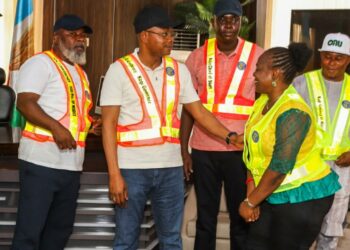

Abuja, Nigeria’s capital city, continues to experience rapid growth as population expansion, real estate development, and infrastructure projects reshape the Federal Capital Territory (FCT). In response to increasing urban pressure, authorities have introduced new urban policies aimed at improving city planning, transportation, sanitation, land administration, and public infrastructure.
While these reforms are designed to modernize the capital, many residents are already feeling both the benefits and challenges of the changes.
The Push for a More Organized Capital City
Over the past few years, Abuja has witnessed a surge in residential estates, commercial construction, and migration from other parts of the country. Areas such as Lugbe, Gwarinpa, Lokogoma, Kubwa, and Pyakasa have seen significant urban expansion.
To address concerns around congestion, illegal structures, poor drainage systems, and traffic management, the Federal Capital Territory Administration (FCTA) has intensified urban planning enforcement and infrastructure regulation.
The goal is to transform Abuja into a more efficient, environmentally sustainable, and investment-friendly city.
Increased Demolition of Illegal Structures
One of the most visible effects of the new policies has been the removal of structures considered illegal or improperly approved.
Authorities argue that many buildings violate approved master plans, obstruct waterways, or occupy lands designated for public infrastructure. In several districts, demolition exercises have affected roadside markets, unapproved residential extensions, and temporary commercial structures.
For residents and business owners, this has created mixed reactions.
Supporters believe stricter enforcement will restore order and improve urban aesthetics. Critics, however, argue that some demolitions affect livelihoods and occur without sufficient compensation or relocation plans.
Urban development experts note that stronger compliance systems and transparent communication will be essential to maintaining public trust.
Housing Costs and Real Estate Pressure
Another major impact of Abuja’s urban reforms is the rising cost of housing.
As authorities enforce zoning regulations and infrastructure standards, developers are facing increased compliance costs. These expenses are often transferred to homebuyers and tenants.
Rental prices in several parts of Abuja have increased steadily, especially in districts with improved road access and public utilities.
For middle-income families, affordable housing remains a growing concern. Although government-backed housing initiatives exist, demand continues to outpace supply.
Real estate analysts believe the city must encourage more inclusive housing policies to prevent excessive urban inequality.
Transportation and Road Infrastructure Improvements
The ongoing expansion of road networks and transportation infrastructure is among the most positively received aspects of Abuja’s urban policy reforms.
Several roads connecting satellite towns to the city center are being upgraded to reduce traffic congestion and improve accessibility.
Residents in developing communities now experience:
- Faster travel times
- Improved road safety
- Better commercial activity
- Increased property value
However, ongoing construction projects have also caused temporary disruptions in traffic flow and daily commuting patterns.
Experts suggest that long-term benefits may outweigh the short-term inconveniences if projects are completed efficiently.
Digital Land Administration and Smart Governance
A significant aspect of the reforms involves digitizing land records and improving administrative transparency.
The FCTA has increasingly embraced digital systems for:
- Land documentation
- Property verification
- Development permits
- Revenue collection
The move toward digital governance is expected to reduce fraud, improve efficiency, and simplify property transactions.
For investors and homeowners, clearer land administration systems could increase confidence in Abuja’s real estate sector.
Technology-driven urban management may also help authorities better monitor development activities and enforce planning regulations.
Environmental and Sanitation Enforcement
Environmental sustainability has become a growing priority within Abuja’s urban planning strategy.
Authorities are intensifying sanitation enforcement measures aimed at:
- Reducing indiscriminate waste disposal
- Protecting drainage systems
- Preventing flood risks
- Improving public hygiene
Residents are increasingly required to comply with waste management regulations and environmental standards.
While enforcement has improved cleanliness in several districts, some communities still face challenges related to inconsistent waste collection and inadequate public awareness.
Urban planners believe long-term success will depend on stronger collaboration between government agencies and local communities.
The Future of Urban Living in Abuja
As Abuja continues to evolve, the success of its urban policies will depend largely on balancing modernization with social inclusion.
Experts argue that sustainable development should not focus solely on infrastructure, but also on affordability, accessibility, and citizen welfare.
For many residents, the reforms represent a transition period — one that could eventually produce a more structured and globally competitive capital city if managed effectively.
The coming years will likely determine whether Abuja can successfully combine rapid development with equitable urban living for all residents.
In summary, Abuja’s new urban policies are reshaping the city in significant ways. From stricter land enforcement and rising housing costs to improved infrastructure and digital governance, residents are experiencing the direct effects of ongoing reforms.
While challenges remain, many urban experts believe these policies could position Abuja as one of Africa’s more modern and organized capital cities if implementation remains transparent, inclusive, and sustainable.
For residents, investors, and policymakers alike, adapting to these changes will be critical in shaping the future of urban life within Nigeria’s capital.
Get breaking news and latest updates directly on WhatsApp