About 1,500 internally displaced households in four communities across Tangaza and Sokoto South Local Government Areas have received Water, Sanitation and Hygiene (WASH) dignity kits through an intervention implemented by Sokoto State’s Rural Water Supply and Sanitation Agency (RUWASSA), with UNICEF support.
The programme, supported by the Swedish International Development Cooperation Agency (Sida), also included four new water schemes intended to improve access to safe water for more than 12,000 people.
The intervention forms part of the humanitarian WASH response for internally displaced persons and vulnerable host communities in Sokoto State.
Four communities receive hygiene support
The distribution covered Sabon Gari and Shiyar Hakimi communities in Tangaza, alongside Gagi and Tudun Wada communities in Sokoto South.
A total of 469 dignity kits were distributed in Tangaza and 1,031 in Sokoto South, bringing the total to 1,500.
The support is aimed at improving access to essential hygiene supplies among households affected by displacement.
A similar partnership previously provided UNICEF- and Sida-supported dignity kits to displaced people in Kebbi State.
Water schemes serve more than 12,000 people
Beyond the distribution of hygiene supplies, the intervention included the construction of four water schemes across four locations hosting internally displaced people.
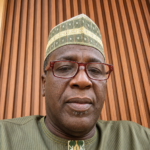
Speaking on the programme, UNICEF Sokoto Chief of Field Office, Dr Michael Juma, described access to safe water, sanitation and hygiene as a fundamental right and a foundation for health, dignity and resilience, particularly for children, women and displaced families.
“Through this partnership with RUWASSA and with the generous support of SIDA, we are strengthening life-saving WASH services while helping communities move from emergency response towards more sustainable and resilient solutions,” Juma said.
He said UNICEF remained committed to supporting the Sokoto State Government to ensure equitable access to WASH services for children and families, including those affected by displacement.
The partnership comes alongside wider regional planning efforts. The Bureau Journal previously reported on UNICEF’s consultations on its 2028–2032 programme for Sokoto, Kebbi and Zamfara.
Sida backs humanitarian WASH response
Juma said the intervention was designed to strengthen services for vulnerable populations, reduce exposure to hygiene-related risks and improve access to safe water among displaced and host communities.
Other assistance programmes covered by The Bureau Journal include food distributions for displaced and vulnerable households in Kebbi and UNICEF’s provision of therapeutic food for children with severe acute malnutrition.
The organisation has also worked with state stakeholders on longer-term health interventions, including a strategy to improve maternal and child health in Kebbi.
In Sokoto, Sida’s support funded the humanitarian WASH response combining dignity-kit distribution with water infrastructure for displaced families and host communities.
Get breaking news and latest updates directly on WhatsApp